


India’s cities are experiencing extreme heat like never before. With temperatures crossing 40°C in Delhi as early as April, the warning signs are clear—climate change is no longer a distant threat but a present reality.
As the country battles with heatwaves, rising temperatures and extreme weather conditions are becoming an annual crisis, driving up public health concerns, economic losses, and overwhelming energy demands. For India, where the effects of climate change are already starkly visible, these rising temperatures are not just an inconvenience—they are a signal of the urgent need for systemic change in energy production and consumption. With heat-related productivity losses escalating, India has already lost over 250 billion hours of labour between 2001 and 2020. Projections from the International Labour Organization (ILO) paint a grim picture, predicting the loss of 34 million full-time jobs by 2030 due to heat stress, further threatening the nation’s economic stability. The majority of these losses will impact sectors such as construction and manufacturing, hitting the most vulnerable groups hardest.
While the government has launched heat action plans (HAPs) in some cities, such as Ahmedabad and Delhi, the truth is these measures are simply not enough. While HAPs are a commendable first step in mitigating the effects of extreme heat, their lack of scale and the absence of long-term strategies in many states leave much to be desired. According to the Natural Resources Defence Council (NRDC), fewer than 20 states and cities have implemented HAPs, many of which lack funding and clear execution strategies. Thus, India must urgently bolster these frameworks by introducing better early warning systems, more public health preparedness, and robust urban design strategies.
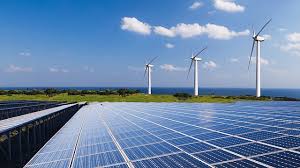
At the heart of the solution lies India’s energy transition. As energy demand rises due to increasing cooling needs, meeting this demand through fossil fuels exacerbates the problem, contributing to a vicious cycle of emissions, air pollution, and rising temperatures. However, renewable energy offers a clear path forward, not only as a solution to reduce emissions but also to ensure energy resilience during climate emergencies. India’s renewable energy capacity crossed 200 GW by February 2025, now accounting for nearly 46% of the total installed power capacity. While this marks significant progress, India’s target to triple its renewable energy capacity to 500 GW by 2030 is critical in meeting the nation’s climate and energy needs. Clean, renewable energy is not merely an environmental goal—it is an economic and public health imperative. By investing in solar, wind, and other renewable sources, India can power cooling systems, hospitals, and transport infrastructure during peak demand periods, ensuring greater resilience and reliability.
Yet, while renewable energy offers a potential solution to India’s energy and heat crises, it must be part of a broader approach that includes sustainable cooling solutions and energy-efficient buildings. Passive cooling methods, such as green building designs, cool roof technologies, and climate-smart urban planning, will be essential in mitigating the effects of rising temperatures without further straining the nation’s energy resources. Countries like Singapore have already demonstrated the feasibility of district cooling systems, and such models could be successfully adapted to Indian cities to create a more sustainable and equitable cooling infrastructure.
The urgency of India’s climate crisis requires a united effort. This is not just a government or industry issue—citizens, businesses, and policymakers must all work together to build resilient, energy-efficient systems that ensure equitable access to cooling and energy. At the same time, public-private partnerships must help scale conservation technologies, and energy-efficient appliances must be widely promoted to reduce the heat load on cities. This approach not only helps alleviate strain on the energy grid but also contributes to reducing the overall heat generated within urban spaces.
As India grapples with escalating temperatures, renewable energy is emerging as the cornerstone of resilience. By making the shift towards sustainable energy sources, India can protect its citizens, economy, and environment. The time to act is now, and the decisions made today will determine the nation’s ability to withstand the heatwaves of tomorrow. Clean, renewable energy is not just a power sector story; it is an essential pillar of India’s climate strategy and an urgent national priority.
Also Read :https://livzzy.in/pune-scorches-at-42c-as-heatwave-intensifies-across-india/
Renewable Energy Could Be Indias Shield Against Rising Temperatures
